
Resources and Reflections
How this story came to be, Sing Up the Earth!
Sometimes the seed of a story rests in the story-maker’s heart for a long time before, in the mystery of just the right moment, it takes root, sprouts, and begins to grow.
When the 1973-armed conflict between members of the American Indian Movement and federal authorities at Wounded Knee, South Dakota occurred, Bud created a sculpture, the head of an Indian warrior: “He’s not pretty. His face shows all the pain and all the determination, the integrity.”
On December 8, 1973, a mysterious early morning fire destroyed the old stone barn that housed Bud’s studio. When it was safe to go inside, Bud found shards from other pieces he had made, but not a single shard bearing the distinctive red glaze that had covered Wounded Knee.
I carried Bud’s story of creativity and loss in my imagination for years before something quite miraculous began to happen. Entirely new elements came into play.
I discovered a handmade clay turtle ocarina at the House of Musical Traditions. I loved the sound it made and I spent a summer studying Barry Hall’s fascinating book, From Mud to Music, making and enjoying ceramic musical instruments.
I listened to an interview with Paulus Berensohn, master potter and teacher, and wrote his words in my journal. The work of an artist, he said, is to “sing up the Earth.”
And ever since I first heard the album Common Ground, I have been drawn to the call, response, and improvisation between human musician and wild creature in the music of Paul Winter.
All of these nourished the soil, and the soul, from which this story, Sing Up the Earth! grew.
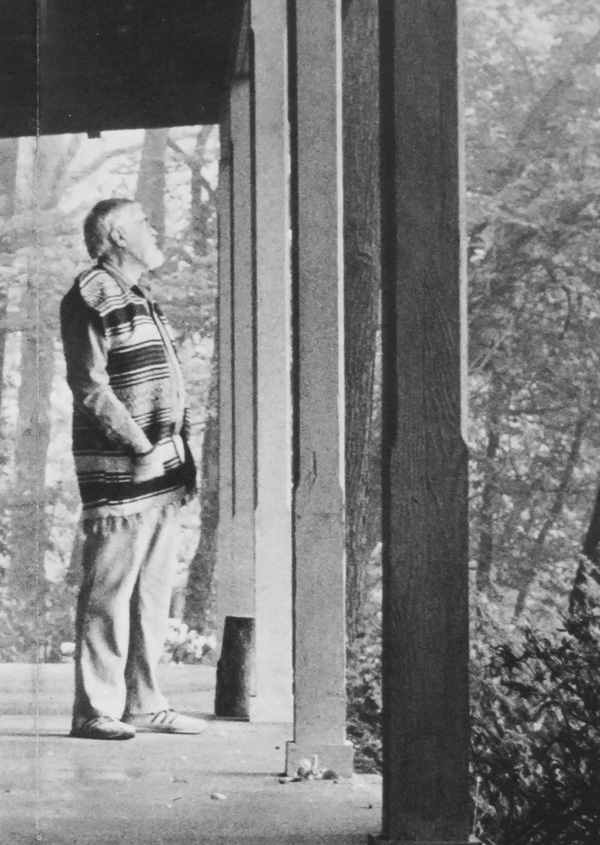
Sheltering Our Children’s Creativity,
and inspiring our own, in times of hardship and loss
. . .Maybe the desire to make something beautiful
is the piece of God that is inside each of us. . .
–Mary Oliver, from the poem
“Franz Marc’s Blue Horses”
The books listed here are stories of vision and courage.
For children, they open a window onto other lives, the kinds of difficulties and barriers people face and how they creatively meet those often-harsh challenges.
For adult readers, which of these books draws you because of a childhood memory or experience? Which ones inspire you to engage with your own forgotten or neglected creativity?
Some of these books are new. Some I have returned to again and again.
I invite you to begin your own search. Make your own heartfelt discoveries. As we, together, shelter our children’s creativity, and our own, in times of hardship and loss.
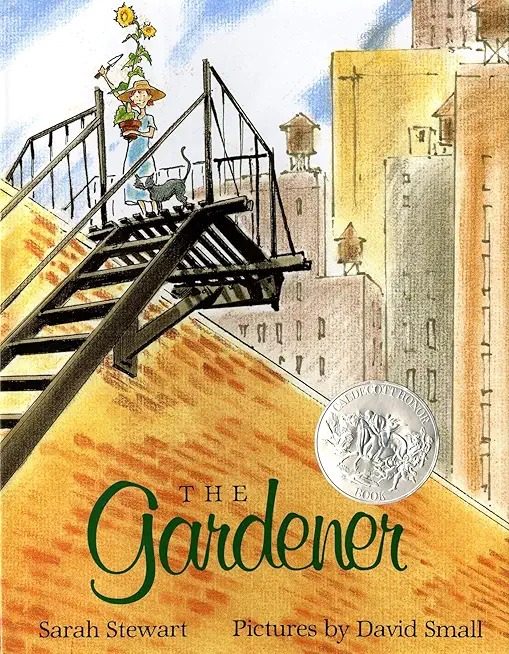
The Gardener
by Sarah Stewart, illustrated by David Small
Set in the Great Depression, 1935, The Gardener tells the story of a young girl, Lydia Grace, who loves soil, seeds, seedlings, flowers, in a garden she tends with her grandmother.
But now, her father “has been out of work for a long time.” And no one asks her mother “to make dresses anymore.”
Lydia Grace is invited to go and live with her uncle Jim, a serious hardworking man without a smile, who owns and runs a bakery in a big city she has never seen before. In the weeks and months that follow, Lydia Grace transforms the bakery through her skill and passion for awakening beauty even in neglected and abandoned places.
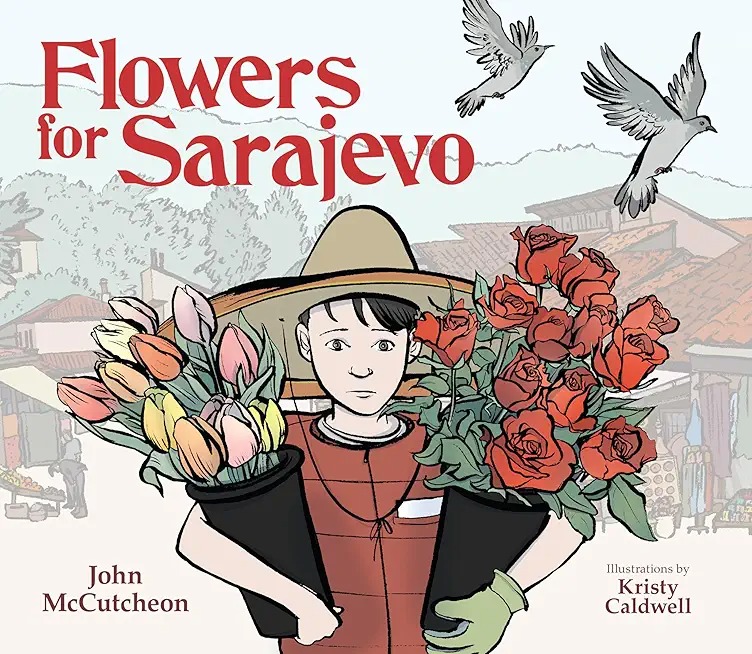
Flowers for Sarajevo
“Overnight, it seems, we are at war. My country is tearing apart.”
Against the backdrop of the Balkan war, a young boy, Drasko, whose father has left home for the battlefield, bravely takes over the job of managing the family flower stall in the crowded marketplace in Sarajevo.
It is difficult work. Many of the merchants who were friendly are tired now and angry. They push Drasko and his flowers to a distant spot on the far edge of the market. But here, Drasko can enjoy the orchestra practicing in the building behind him. Then, at 10:00 a.m., an explosion rocks the center of the city.
The next day, and for twenty-one days after, Drasko witnesses an amazing act of courage and beauty giving him the strength to seek his own small part in making “Sarajevo beautiful once again.”

We Are Water Protectors
Inspired by the many examples of indigenous peoples rising to protect our Earth home, this picture book speaks eloquently, in word and visual image, on behalf of water and the sacredness of all life.
“We stand
With our songs
And our drums.
We are still here.”
With the courage of a fearless heart, a young girl leads her people to gather, demonstrate, and bring their creativity and their prayer to become protectors of water and the land they love.
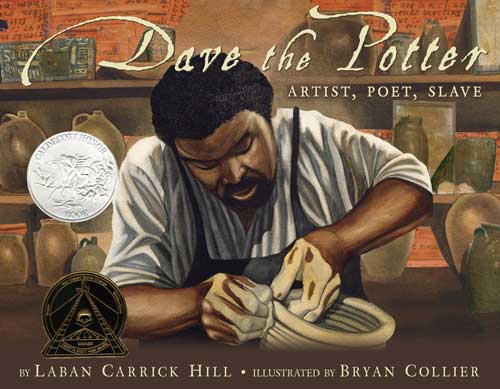
Dave the Potter
In simple earthy poetic language, Dave the Potter tells the true story of a slave in South Carolina in the 1800’s. Page after page, as we watch Dave’s strong hands craft raw clay into beautiful shapes, the immense soul of this artist, poet, slave, shines forth.
A powerful testimony to the deep mystery and transforming strength of human creativity.
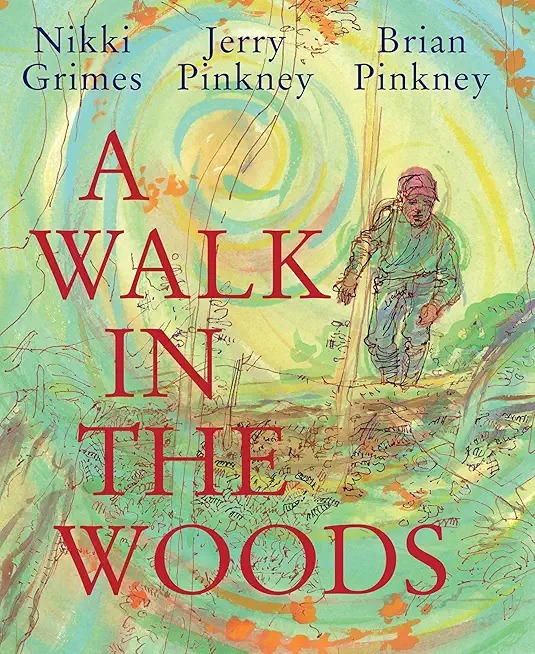
A Walk in the Woods
Feeling lost and empty a week after his father’s funeral, a boy opens an envelope his dad left for him. The envelope contains a map of the woods beyond their house, a place of wild nature he and his father explored together.
With this map in hand, the boy begins a walk in the woods and a journey to find a secret treasure.
An exquisite story that may open a poignant invitation to all of us to search for our own, sometimes hidden, creativity.
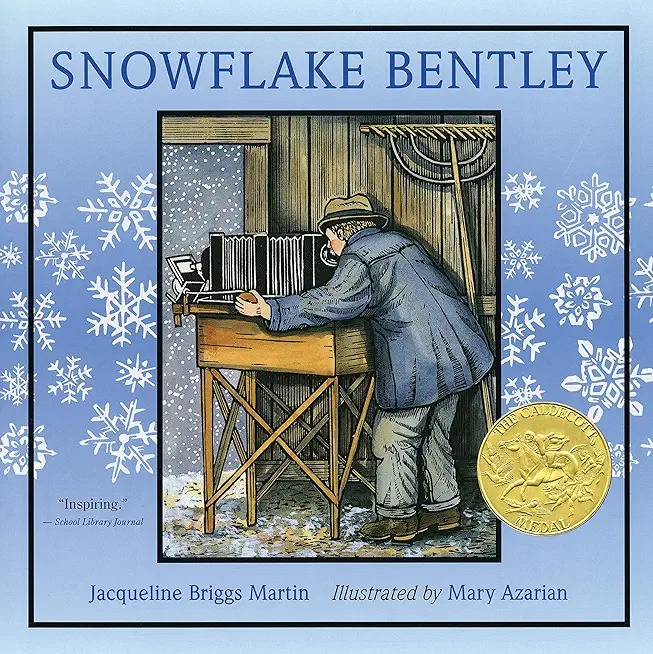
Snowflake Bentley
More than anything else in the whole world of nature, Wilson Bentley loved snow and longed to find a way to show others the intricate design and wonder of snowflakes. But how to do it?
At age fifteen, he used an old microscope his mother gave him to study snowflakes and begin drawing them. Always they melted before he could finish. When Willie was seventeen, his parents used their savings to buy him a camera with a built-in microscope. But even with this extraordinary gift he must learn, through many trials, how to capture a clear image.
The true story of an artist/scientist and farmer who with patience, endurance, vision, and trust captured for the world a wondrous beauty that had not yet been seen.
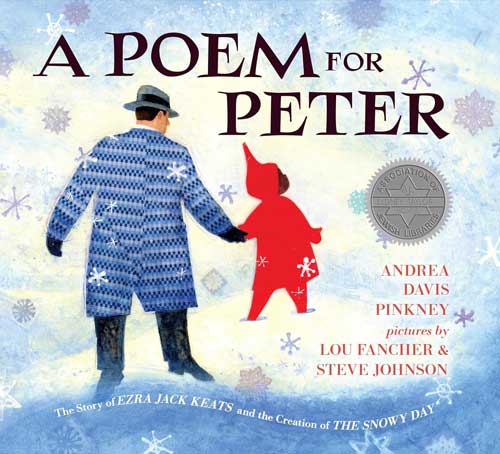
A Poem for Peter
“Ezra Jack Keats gave us eyes to see . . .He dared to open a door.”
Born in 1916, in Brooklyn’s poorest part of town to Jewish immigrant parents, Ezra Jack Keats knew how racial prejudice and “the dark heel of discrimination” could wound or even shatter one’s dreams of a new and more fulfilling life. When the chance finally came for this gifted artist to write and illustrate a story of his own, he brought us a character never seen in children’s picture books: a “brown-sugar child” named Peter.
The story behind the story of The Snowy Day. A lyrical fascinating portrait of what it means to follow creative imagination where it leads and become a true artist.
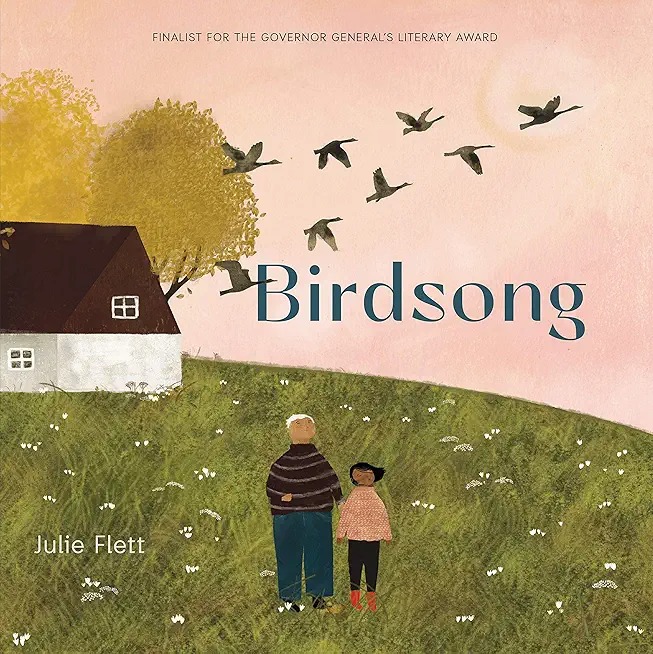
Birdsong
Katherena, a young girl of Cree heritage, leaves the home she loves by the sea to go with her mother to a new home in the countryside she has never seen. Katherena is lonely. She likes to draw, but not here, not yet. Her hands feel cold.
One day her mother suggests she walk next door and meet their new neighbor, Agnes. Katherena discovers that Agnes, an older woman, is both a gardener and a potter. Through the seasons, their friendship grows and blossoms like the abundant snowdrops in Agnes’ yard. And when Agnes becomes ill, confined to her bed after the winter, Katherena gathers up all the drawings she has made and creates a gallery in Agnes’ bedroom. Agnes calls it “a poem for her heart.”
A beautifully crafted story that deepens with each reading of a friendship between two artists across their differences in age and ethnic heritage. A poem for all our hearts.
How Creativity Inspires Hope
After a long day of forced labor, women slaves in America cut and tear rags, old clothes, discarded flour or seed sacks, to stitch together quilts, vibrant pictures and symbols of their African villages, their homes, and the sacred stories they carried with them across an ocean.
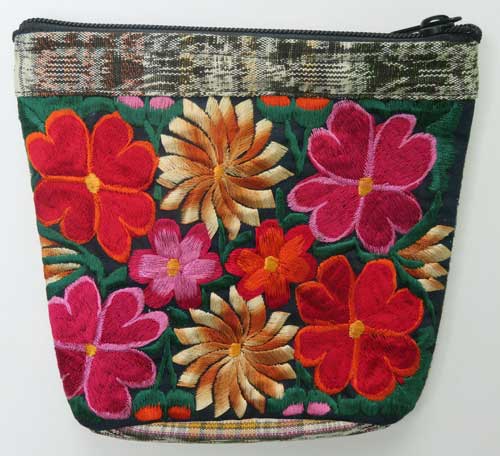
In the mountains of Guatemala, Feb. 1976, Mayan women tie their backstrap looms to trees or fenceposts—anything that is left standing—after a devastating earthquake. They weave brightly colored flowers, birds, maize, and geometric patterns, creating a world of beauty amidst the rubble.
In his 70’s, after surviving major cancer surgery, the artist Henri Matisse could no longer paint with a brush or sculpt. Confined to his wheelchair or bed, Matisse used brightly colored sheets of paper and a pair of scissors to create hundreds of paper cut-outs opening a new path in his soul’s lifelong journey with color and shape, emotion, meaning, art.
Out of her grief and loss, following the illness and sudden death of her beloved husband and creative partner, Jan Richardson, author and artist, created an online retreat called “Walking the Way of Hope.” In it she says that it is possible to hold “a commitment to creation amid devastation, a practice that is not removed from the brokenness of the world . . . a tangible, tactile, transforming prayer that arises from within it.”
These stories and so many others embody an active, and wild, hope.
What stories do you know? Listen for them. Gather them in your heart as you find them. Write or tell them to others. Give them away.
Waking
I wander at first light—
an easy summer light—
threading its way through the wild fields
and the tall trees.
What did they dream last night
before that mystery slid
back down into their roots?
There’s heartbreak in our world.
I know it well. So do you.
The fabric of Life
is torn.
But I will not let that take me away
from my first work:
of touching, of blessing, of being sung
new again, each morning
out of the one great song enfolded in everything.
My dew-drenched morning prayer shoes sit
drying on the porch.
My bare feet, cool, in the shining grass.
–Cheryl Hellner